You know that moment when you can’t even lift your coffee cup without wincing? Or when three weeks of neck pain from hunching over your computer makes you feel like you’re falling apart? We see it all the time – people who think pain is just part of getting older, or that they’ll never get back to rock climbing at Kananaskis or playing weekend hockey.
Here’s what we know after years of helping Calgarians: good physiotherapy doesn’t just fix the problem, it gets you back to living your life. That transformation from barely moving to doing what you love again? That’s what we’re here for.
If you’re dealing with pain, injury, or just don’t feel like your body is working the way it should, you’re not alone. Whether you pulled something playing rec league hockey at one of Calgary’s community rinks or your back is screaming from sitting at a desk all day, we get it. Pain has a way of taking over everything – your sleep, your mood, even simple things like picking up groceries become a hassle.
Here’s the deal – physiotherapy isn’t magic, but it’s pretty close when done right. Our team at Pro Motion Calgary has been helping south and southeast Calgary residents move better and feel stronger since 2022. We’re not just about getting you out of pain (though we’re good at that too). We want to make sure whatever brought you here doesn’t come back.
You know how some physio clinics feel like factories? Everyone gets the same exercises, same treatment, in and out in 15 minutes? Yeah, that’s not us. We actually listen to what’s going on with your body and your life. Maybe you need to get back to weekend soccer games in Fish Creek Park, or you just want to play with your kids without wincing. We build your treatment around what matters to you.
Located right next to Southcentre Mall and across from the Anderson LRT station on Macleod Trail, we serve people from all over Calgary – especially those in the south communities like Shawnessy, Lake Bonavista, Kingsland, and Evergreen. We’ve seen office workers from the downtown core with terrible posture, weekend warriors who overdid it on the Bow River pathway, and everything in between. The common thread? Everyone just wants to feel like themselves again.
The list of things that can go wrong with the human body is pretty long, but here are the big ones we see every day:
Back Pain – Whether it’s from lifting wrong, sitting too much, or just waking up and it’s there, back pain is the worst. We help figure out what’s actually causing it and get you moving properly again.
Neck and Shoulder Issues – Desk jobs are brutal on necks. Add in looking down at phones all day, and it’s no wonder everyone’s walking around with tight shoulders and headaches.
Sports Injuries – Twisted ankles from trail running, pulled hamstrings from rec league softball, shoulder problems from swimming laps at the Y. We know sports, and we know how to get athletes back in the game.
Post-Surgery Recovery – Had a knee replacement or shoulder surgery? The surgery is just the beginning. Good physio makes the difference between getting back to normal and struggling for months.
Work-Related Injuries – Construction, office work, healthcare – every job has its physical challenges. We help you recover and teach you how to protect yourself going forward.
This one doesn’t get talked about enough, but pelvic floor problems are way more common than people think. After having kids, during menopause, or even just from chronic stress, your pelvic floor muscles can get weak or tight. This leads to things like bladder leaks, pelvic pain, or problems with intimacy.
We’ve seen how embarrassing these issues can be – people stop going to social events because they’re worried about leaking when they laugh or sneeze. Many think it’s just something they have to live with after having kids. But here’s the thing – it’s treatable. After working with our pelvic floor physiotherapist in Calgary Merle Morton (one of the original developers of women’s health physiotherapy in Calgary), people get back to living without worry. Merle has been helping women and men with pelvic health issues for years, developing training programs that educate doctors and medical professionals about this important area of health.
Concussions are tricky. You might feel fine one day and terrible the next. Maybe you got your bell rung playing rec league hockey, hit your head in a car accident, or even just took a tumble on the ice walking to work downtown. The symptoms – headaches, dizziness, trouble concentrating – can stick around way longer than anyone expects.
We work with a lot of people dealing with post-concussion syndrome. Picture this – you’re six months out from a concussion, still can’t handle bright lights or loud noises, and your job becomes impossible. Through specific exercises and gradual exposure therapy, we help your brain heal properly. We’ve seen accountants get back to crunching numbers, hockey players return to the ice (with better helmets), and office workers handle fluorescent lights again.
Regular pilates is great, but clinical pilates is different. It’s pilates with a purpose – designed specifically to address movement problems and prevent injury. We use it a lot for people with chronic back pain, post-surgery recovery, or anyone who needs to rebuild their core strength from scratch.
Think of it as physical therapy meets pilates. The exercises look simple, but they’re targeting exactly what your body needs to move better. You know those people who’ve been dealing with lower back pain for years? Traditional physio helps, but the pain keeps coming back. Once we add clinical pilates to the routine, teaching the core to actually support the spine properly, that’s when people finally get lasting relief.
This treatment uses sound waves to stimulate your body’s healing process. It can be effective for conditions like plantar fasciitis, tennis elbow, or chronic tendon problems.
We see a lot of runners from the Calgary running community with plantar fasciitis. That heel pain that makes your first steps in the morning feel like walking on glass? Shockwave therapy can often help when other treatments haven’t worked. The treatment itself feels like someone flicking an elastic band against your skin – not comfortable, but totally bearable. Most people start feeling better after just a few sessions.
Got hurt at work? Workers’ Compensation Board (WCB) claims can be confusing, but we handle all the paperwork so you can focus on getting better. We work with people from all kinds of jobs – construction workers with back injuries, nurses with shoulder problems, office workers with repetitive strain injuries.
The key with WCB cases is starting treatment early and staying consistent. We’ve helped many people get back to work safely and prevent re-injury. Plus, we know how to document everything properly so your claim goes smoothly.
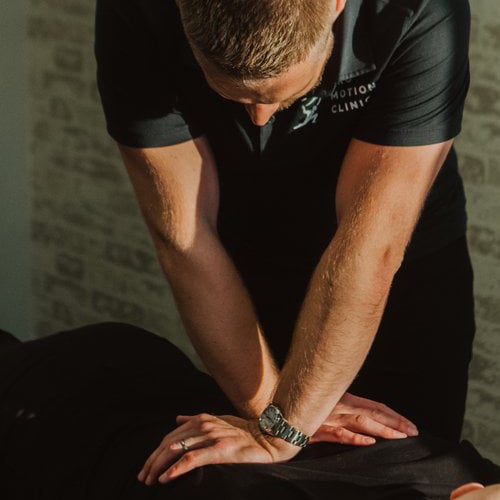
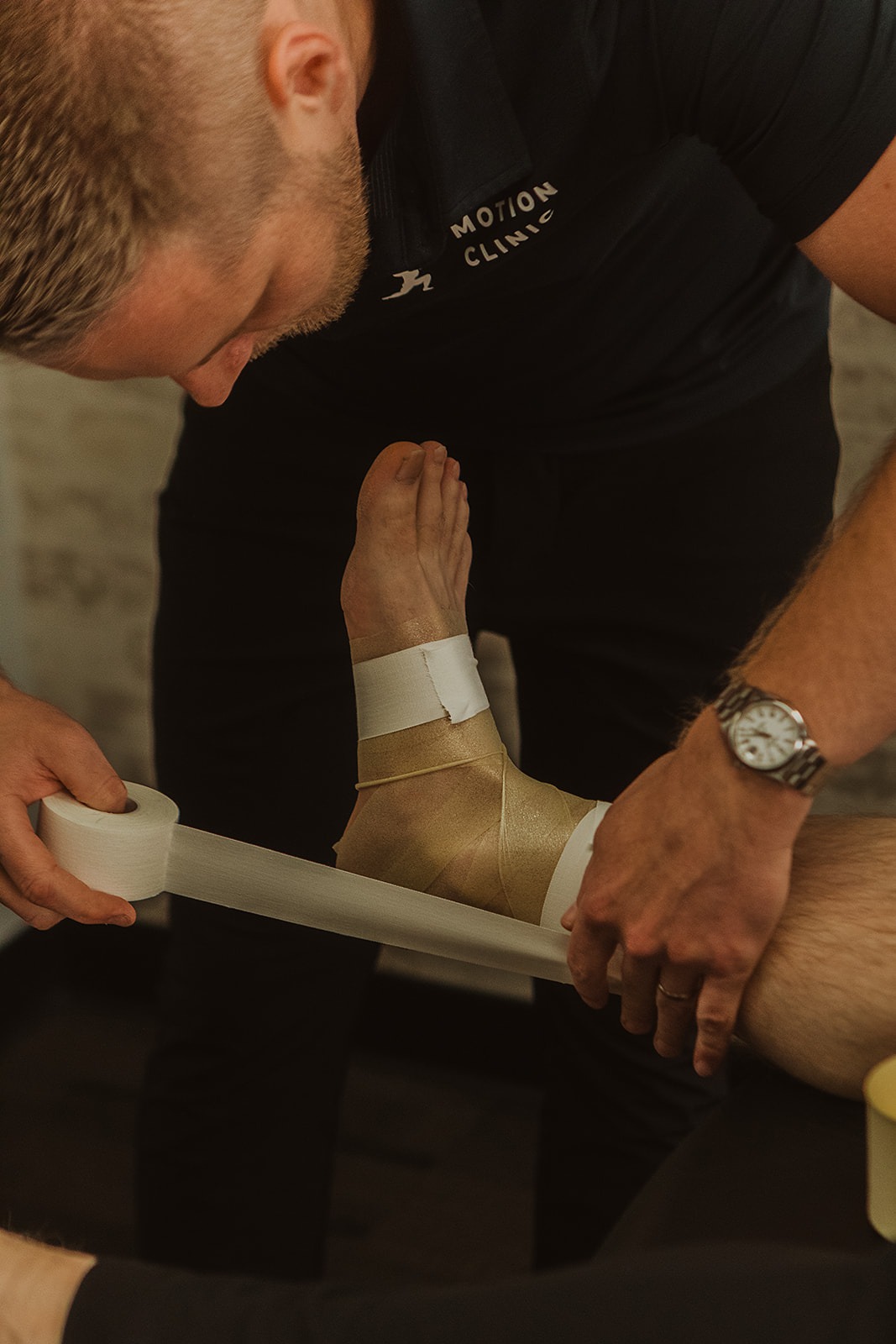
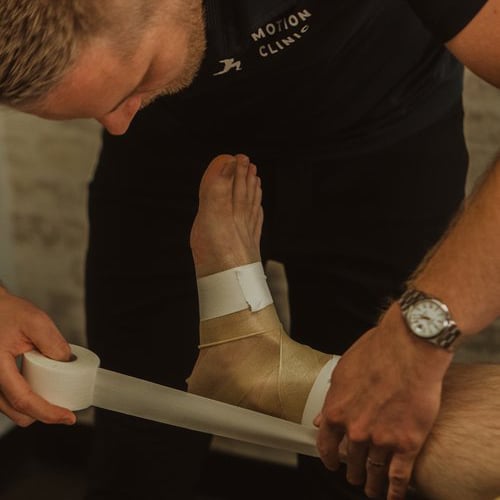
You’ve probably been to physio before where they stick some electrodes on you, give you a sheet of exercises, and send you on your way. That’s not what happens here. We actually put our hands on you and figure out what’s not moving right. Sometimes it’s not what you think – that knee pain might actually be coming from your hip, or those headaches could be from tight muscles in your neck.
We also don’t just treat the injury. We look at why it happened in the first place. Maybe your running form needs work, or your workstation setup is causing problems. We teach you how to move better so you don’t end up back here in six months with the same issue.
Our multidisciplinary approach means you can see a physiotherapist, chiropractor , massage therapist , naturopath , osteopath , acupuncturist , or counsellor all under one roof. This team approach means we can tackle your problem from every angle while keeping your physiotherapy treatment as the main focus.
Living in south Calgary means dealing with specific challenges. Icy sidewalks in winter that make everyone walk funny. Long commutes down Macleod Trail that leave people stiff and sore. Weekend adventures in the mountains that sometimes go wrong. We get it because we live here too.
We’ve treated everyone from oil and gas workers dealing with the physical demands of their jobs to parents chasing kids around at Southcentre Mall. Our physiotherapist Curtis Morton, who brought Pro Motion to Calgary from the Okanagan, understands what Calgarians do for work and play. He’s a former UBC Okanagan football player who loves flyfishing on mountaintop lakes, is an active runner, dog owner, ball hockey player, father to 2 boys, and knows exactly what it takes to keep active in this city.
Whether you’re coming from the Anderson LRT station or driving from communities like Acadia, Haysboro, or Willow Park, our location in the Southcentre Executive Tower makes us easy to reach from anywhere in south Calgary.
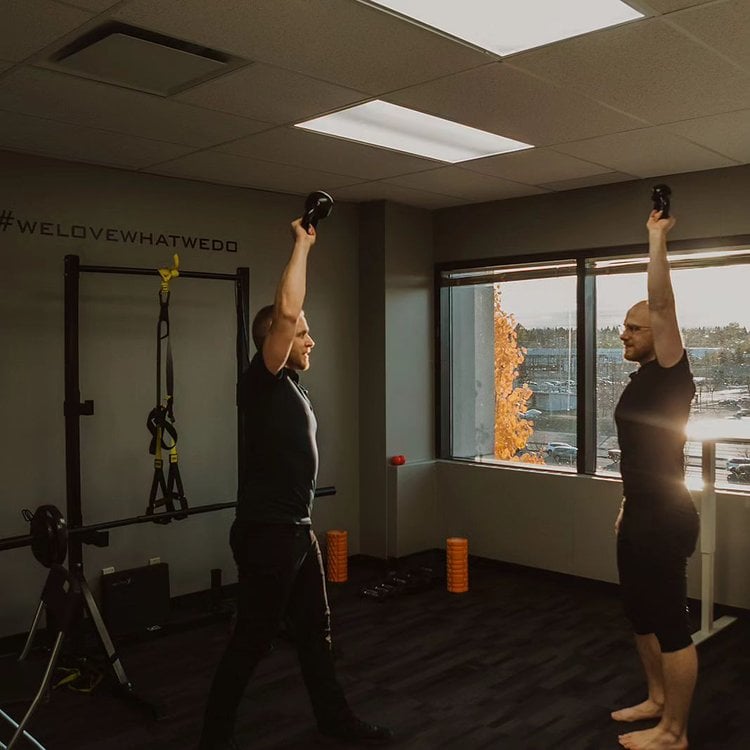
The best part of this job is seeing people get their lives back. You know – the person who couldn’t sleep through the night because of shoulder pain from an old recreational hockey injury, now sleeping great and back to playing oldtimers hockey. Or the teacher dealing with chronic headaches that were affecting her work, who discovered her neck muscles were a mess from stress and poor posture. Once those get sorted out, the headaches disappear.
These aren’t miracle cures – they’re the result of good assessment, proper treatment, and people who are willing to do the work to get better. We provide the expertise and guidance, but you have to show up and put in the effort.
Getting ready for your first physio appointment? Here’s what you need to know to make the most of your visit.
Comfortable clothing that will allow your physiotherapist to examine the part of your body that brings you into the clinic. Think athletic wear or loose-fitting clothes that you can move in easily. If you’re coming in for a shoulder problem, wear a tank top or something with short sleeves. Back pain? A shirt you can lift up or tuck in works great. The key is making sure we can actually see and touch the area that’s bugging you.
Along with yourself, please bring:
Don’t stress if you forget something – we can always get it later. The most important thing is that you show up ready to get better.
Your first appointment at Pro Motion Calgary is all about getting to know you and your problem. We start with what we call a subjective examination – basically, we sit down and really listen to what brought you in. Your physiotherapist will ask questions about your pain, when it started, what makes it better or worse, and how it’s affecting your daily life. This isn’t just small talk – we’re piecing together the puzzle of what’s going on with your body. Next comes the physical assessment, and this is where we get hands-on. We’ll check how well your joints move, test your muscle strength, and see if there’s any nerve tension causing problems. We’ll also watch how you move during everyday activities and do some specific tests to narrow down exactly what’s happening. Think of it like being a detective, but for your body. Once we’ve got all the pieces, your physiotherapist will explain what they found and work with you to create a treatment plan. This isn’t a one-size-fits-all thing – we’ll talk about your goals, whether that’s getting back to hockey or just being able to pick up your kids without pain. We’ll also let you know how often you should come in and what to expect as you get better.
If you’re tired of dealing with pain or just not feeling like your body is working right, give us a call at (403) 452-5450 or book online. We do thorough assessments to figure out exactly what’s going on and create a plan that makes sense for your life and goals.
Most people start feeling better pretty quickly, but real lasting change takes time. We’ll be honest about what to expect and work with you every step of the way. Results vary depending on your individual condition and commitment to treatment.
403 – 11012 Macleod Trail SE
Calgary, AB T2J 6A5
Phone: (403) 452-5450
Email: info@promotioncalgary.com
Monday – Thursday: 7:30AM – 8:00PM Friday: 7:30AM – 6:00PM Saturday: 9:00AM – 3:15PM
We’re open Monday through Saturday with extended hours to fit your schedule. If you have an evening appointment after 6pm, just use the intercom at the east entrance (near the Shell gas station) and dial 1100 to reach us.
Don’t let pain or injury keep you from doing what you love. Whether that’s playing with your kids, hitting the slopes at Sunshine Village, or just being able to sit at your desk without discomfort, we can help you work toward those goals. Ready to start your recovery journey? Let’s get started.
Clinical Pilates offers a full, individualized assessment of the whole body, performed by a physiotherapist who understands how injuries and compensations affect movement.
Our team is part of a network of clinics around the world offering evidence-based concussion care. From initial pre-season multimodal baseline testing to concussion treatment and rehabilitation
Pelvic health physiotherapy, also known as pelvic floor physiotherapy or women’s health physiotherapy , is a specialized branch of physical therapy that focuses on the assessment and treatment of conditions related to the pelvic region .
WCB Alberta is a government-established and employer-funded organization that administers the province’s workers’ compensation system. The primary mission is to provide no-fault insurance
No, a physiotherapist is not a medical doctor , but they are highly trained healthcare professionals who hold a university degree in physiotherapy—often a Master’s or Doctor of Physical Therapy (DPT) in some countries.
In Canada:
What Physiotherapists Can Do:
Summary:
Physiotherapists are not doctors , but they are essential members of your healthcare team, specializing in movement, recovery, and function . They offer expert care for injury prevention, rehabilitation, and physical performance.
Great question! While physiotherapy , physical therapy , and athletic therapy all focus on improving movement, reducing pain, and supporting injury recovery, they differ in scope, training, and clinical focus —especially in Canada.
Physiotherapy vs. Physical Therapy
In Canada , physiotherapy and physical therapy mean the same thing . The terms are used interchangeably.
Athletic Therapy (AT) – How It’s Different from Physiotherapy
Pelvic floor physiotherapists are specialized physiotherapists who focus on assessing and treating conditions related to the pelvic floor muscles —a group of muscles, ligaments, and tissues that support the bladder, bowel, and reproductive organs. These muscles play a crucial role in controlling urinary and bowel functions, as well as sexual health.
What Pelvic Floor Physiotherapists Do:
1. Assess and Diagnose Pelvic Floor Dysfunction
They evaluate the function of the pelvic floor muscles through manual assessments , physical exams , and patient history . They diagnose conditions like:
2. Develop Personalized Treatment Plans
Pelvic floor physiotherapists create customized programs that may include:
3. Postpartum and Prepartum Care
They provide specialized care for pregnant women or those who have recently given birth, addressing issues like pelvic pain, incontinence, and recovery from childbirth. They also prepare pregnant women for labor by teaching pelvic floor relaxation and breathing techniques.
4. Help with Post-Surgical Recovery
Pelvic floor physiotherapists play a key role in post-surgery recovery , especially after procedures like a hysterectomy or prostatectomy . They help improve muscle strength and function to enhance healing and prevent complications.
5. Provide Education and Lifestyle Guidance
They educate patients on lifestyle changes to prevent further pelvic floor dysfunction, such as proper lifting techniques, avoiding constipation, and maintaining a healthy weight. They also teach patients to manage bladder and bowel health .
6. Treatment for Men’s Health Issues
Pelvic floor physiotherapy isn’t just for women. It can also help men with conditions such as prostate surgery recovery , erectile dysfunction , and chronic pelvic pain .
Why See a Pelvic Floor Physiotherapist?
Physiotherapists treat a wide range of conditions that affect movement, strength, flexibility, and function. Their goal is to reduce pain, improve mobility, and help patients recover from injury or manage chronic conditions—without relying on medication or surgery.
Common Conditions Treated by Physiotherapists
Musculoskeletal Issues (bones, joints, muscles)
Post-Surgical Rehabilitation
Neurological Conditions
Chronic Pain Conditions
Pelvic Health
Cardiorespiratory Issues
Pediatric Conditions
Physiotherapy also helps with:
Tennis elbow and golfer’s elbow are both types of tendonitis that cause pain around the elbow, but they affect different tendons and sides of the arm .
Tennis Elbow (Lateral Epicondylitis)
Symptoms :
Golfer’s Elbow (Medial Epicondylitis)
Key Differences at a Glance:
Both conditions can be effectively treated with physiotherapy , which may include:
Non-Surgical Treatment (Partial Tear or Low-Demand Patients)
This option is often suitable for minor tears, older adults, or individuals with lower physical demands.
Timeline:
Keep in mind, non-surgical approaches may not provide enough knee stability for pivoting sports or high-intensity movement.
Surgical Treatment (ACL Reconstruction)
Surgery is typically recommended for complete ACL tears, especially in athletes or active individuals.
Recovery Timeline:
Key Points to Remember:
You should typically see a physiotherapist within 3–7 days after surgery , unless your surgeon recommends otherwise. Early physiotherapy is crucial for optimal healing, regaining mobility, and preventing complications like stiffness or muscle wasting.
Why Early Physiotherapy Matters
When to Start – Surgery-Specific Guidelines
Always follow your surgeon’s post-op instructions and protocols.
See a Physiotherapist Sooner If You Notice:
Even one session early on can help set you on the right path. A physiotherapist will tailor a rehab plan to your specific surgery, body, and goals.
When a Referral Might Be Required
Bonus: Seeing a physiotherapist early— without waiting for a referral —can:
When your pelvic floor isn't working right, it affects everything. You know that feeling when you laugh too hard and have to clenc…
Learn more →You know that feeling when your phone drops and the screen cracks? That's kind of what happens to your brain during a concussion. …
Learn more →Vestibular physiotherapy in South Calgary for vertigo, dizziness and imbalance. BPPV repositioning, video Frenzel goggle assessmen…
Learn more →Clinical Pilates offers a full, individualized assessment of the whole body, performed by a physiotherapist who understands how in…
Learn more →When your body's stuck and nothing seems to help, shockwave therapy might be exactly what you need. Think of it like this - someti…
Learn more →Getting hurt on the job can feel like your whole world just got turned upside down. One minute you're going about your normal work…
Learn more →Book online in under two minutes, or call our clinic and talk to a real person about where to start.