Platelet-Rich Plasma Therapy for Tendon, Ligament, and Joint Injuries PRP, or Platelet-Rich Plasma, is an injection treatment that uses your own blood to support tissue healing. At Pro Motion Calgary, we provide PRP injections in Southeast Calgary for patients dealing with tendon injuries, ligament sprains, mild arthritis, and certain muscle injuries.
The goal of PRP treatment is to promote natural healing and provide longer-term improvement.
Our clinic is located in the Southcentre Executive Tower at 403 – 11012 Macleod Trail SE. We serve patients from Willow Park, Canyon Meadows, Lake Bonavista, Acadia, Southwood, Haysboro, Riverbend, Quarry Park, Queensland, and Millrise.
PRP stands for Platelet-Rich Plasma.
Platelets are small cells in your blood that play a key role in healing. They contain growth factors that help regulate tissue repair.
During PRP treatment:
Because PRP uses your own blood, it is considered an autologous treatment. There is no steroid or synthetic medication involved.
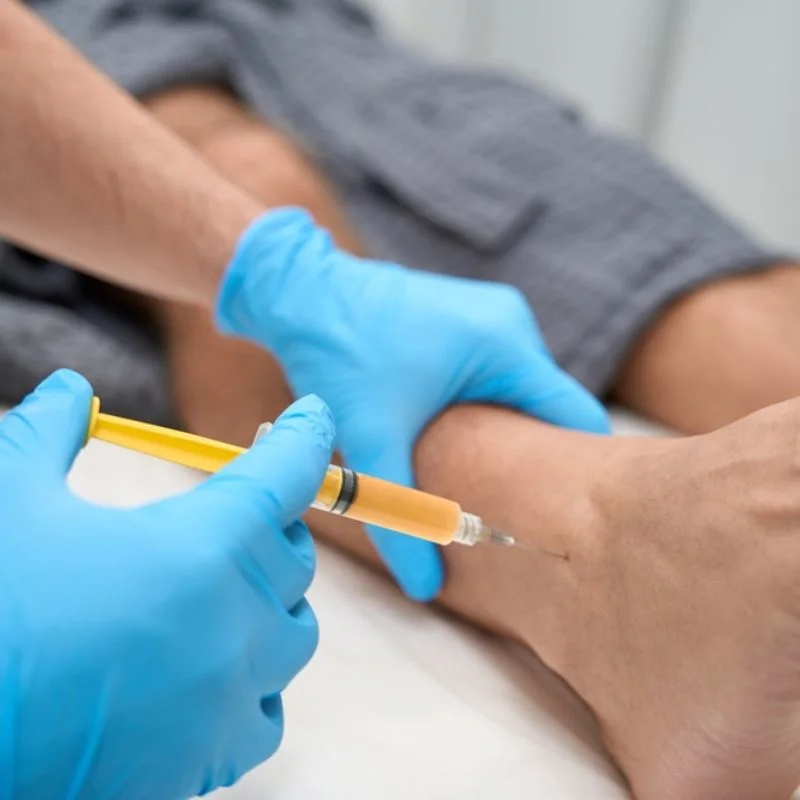
When tissue is injured, your body sends platelets to the area to begin repair.
In chronic tendon injuries or mild arthritis, the healing response may become slower or incomplete. PRP concentrates platelets and delivers them directly to the affected structure.
The goal is to stimulate a healing response in tissues such as:
PRP does not provide instant pain relief like cortisone. Improvement typically develops gradually as tissue repair progresses.
PRP may be considered for:
It may be appropriate if:
Candidacy depends on your diagnosis, severity of injury, and overall health. A detailed assessment is required before recommending PRP.
The goal of PRP is to:
PRP aims to address underlying tissue irritation rather than only reducing inflammation.
Results vary by condition and individual response. Some patients experience gradual improvement over several weeks to months.
PRP does not reverse severe arthritis or replace surgery when structural damage is advanced. It is typically considered for mild to moderate conditions.
PRP treatment is performed in a clinical setting.
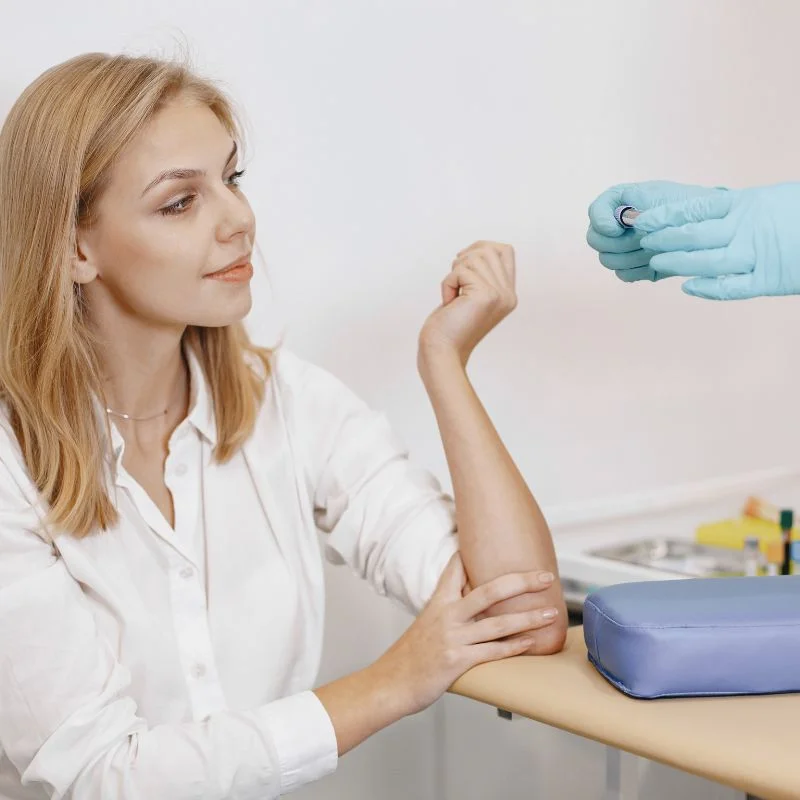
First, a small blood sample is taken from your arm. The sample is placed in a centrifuge to separate and concentrate the platelets.
Once prepared, the PRP is injected into the targeted area. When appropriate, ultrasound guidance is used to improve accuracy.
Ultrasound allows real-time visualization of the tendon, ligament, or joint.
The procedure usually takes under an hour, including preparation time.
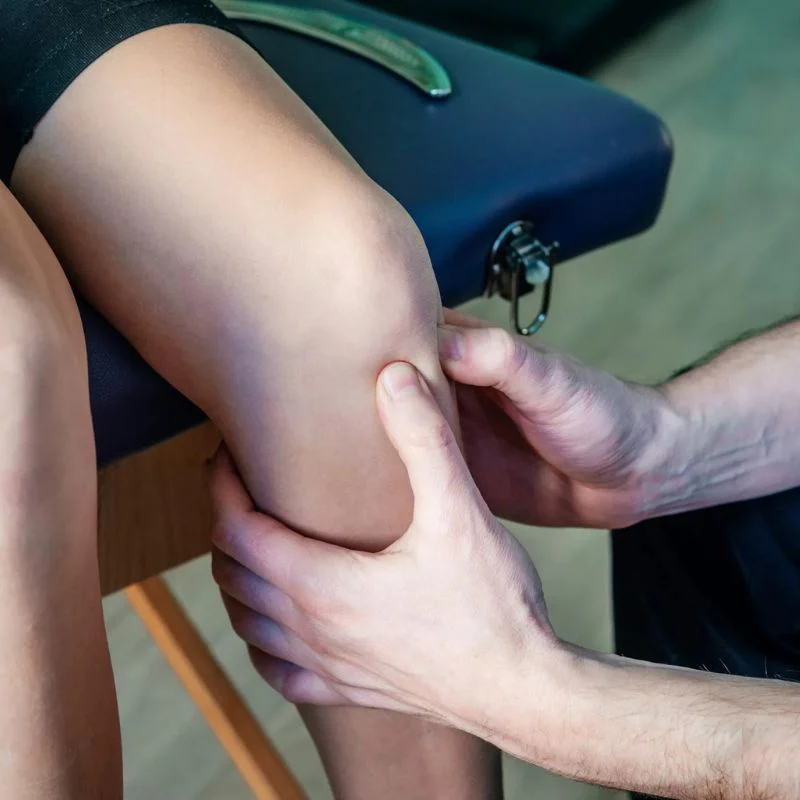
It is common to experience soreness at the injection site for several days. This is part of the body’s healing response.
Unlike cortisone, PRP does not aim to immediately suppress inflammation.
Temporary discomfort may occur as the healing process begins.
Activity may be modified for a short period.
You provider will give clear instructions about:
Improvement often develops gradually over several weeks.
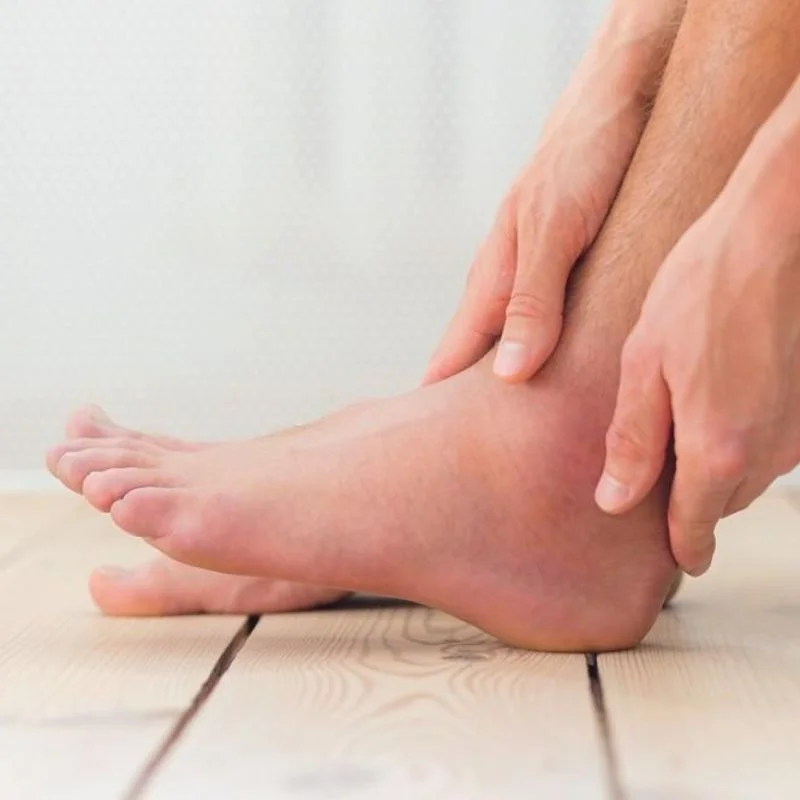
There are several injection options available for musculoskeletal conditions.
Cortisone injections focus on reducing inflammation and may provide faster symptom relief.
Hyaluronic acid injections such as Monovisc , Orthovisc , or SportVis focus on improving joint lubrication.
PRP differs because it uses your own platelets to support tissue repair. It does not contain steroids or synthetic lubricants.
The right option depends on the nature of your injury and your treatment goals.
PRP uses your own blood, which reduces the risk of allergic reaction.
Possible side effects may include:
Infection is rare but possible with any injection.
PRP may not be appropriate if you have certain blood disorders, active infection, or uncontrolled medical conditions. A full medical review is completed before treatment.
PRP is most effective when combined with structured rehabilitation.
After injection, we often recommend:
For example, in tennis elbow, strengthening the forearm muscles and improving grip mechanics is essential. In Achilles tendon injuries, progressive calf loading supports recovery.
PRP supports healing, but movement retraining remains important.
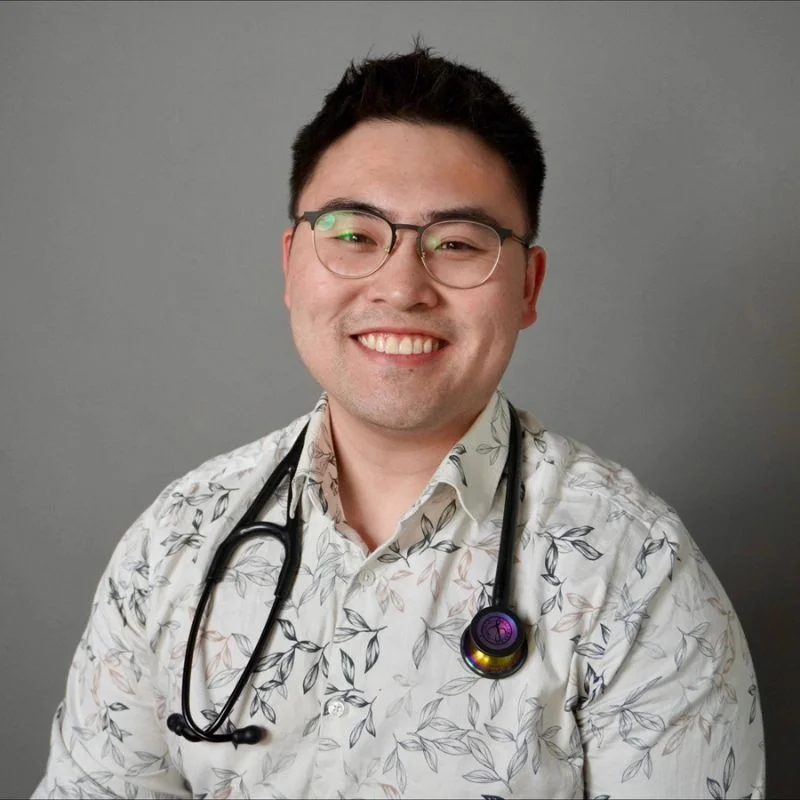
PRP injections at Pro Motion Calgary are provided by Alexander Yeung , Family Nurse Practitioner.
He holds a Master of Nursing and a Bachelor of Science in Nursing from the University of Regina. He also earned a Bachelor of Kinesiology with distinction.
His background includes emergency medicine and intensive care experience. He focuses on musculoskeletal conditions and integrates movement assessment with medical management.
Ultrasound guidance is used when appropriate to support precise injection placement.
Patients choose our Southeast Calgary clinic because we provide:
We take time to assess your injury thoroughly before recommending regenerative treatment.
Our clinic is located in the Southcentre Executive Tower at 403 – 11012 Macleod Trail SE, near Southcentre Mall.
We are easily accessible from Macleod Trail and Anderson Road. Patients from Willow Park, Canyon Meadows, Lake Bonavista, Acadia, Southwood, Haysboro, Riverbend, Quarry Park, Queensland, and Millrise can reach us quickly.
Parking is available in the building, and public transit runs along Macleod Trail. Our Southeast Calgary location makes follow-up visits manageable, especially when structured rehabilitation is part of your recovery plan.
Improvement is usually gradual. Many patients notice changes over several weeks to months.
No. PRP uses your own platelets and does not contain cortisone.
The number depends on your condition and response. Your provider will outline a plan during your consultation.
PRP may support joint health in mild to moderate arthritis. It does not reverse advanced cartilage loss.
Some soreness is common after the injection. This typically improves within several days.
Activity is usually modified at first. A structured rehabilitation plan is recommended.
Coverage depends on your insurance provider and policy. Our team can help review options.
Light activity is usually allowed. Your provider will guide you on safe progression.
PRP is generally well tolerated because it uses your own blood. A full medical assessment is completed before treatment.
If you are considering PRP injections in Southeast Calgary, contact Pro Motion Calgary at (403) 452-5450 or book online to schedule an assessment. We will determine whether PRP fits your injury and long-term recovery goals.
Book online in under two minutes, or call our clinic and talk to a real person about where to start.