Athletic therapy in South Calgary for sprains, strains, and sport injuries. Return-to-activity rehab with an athletic therapist at Pro Motion Calgary.
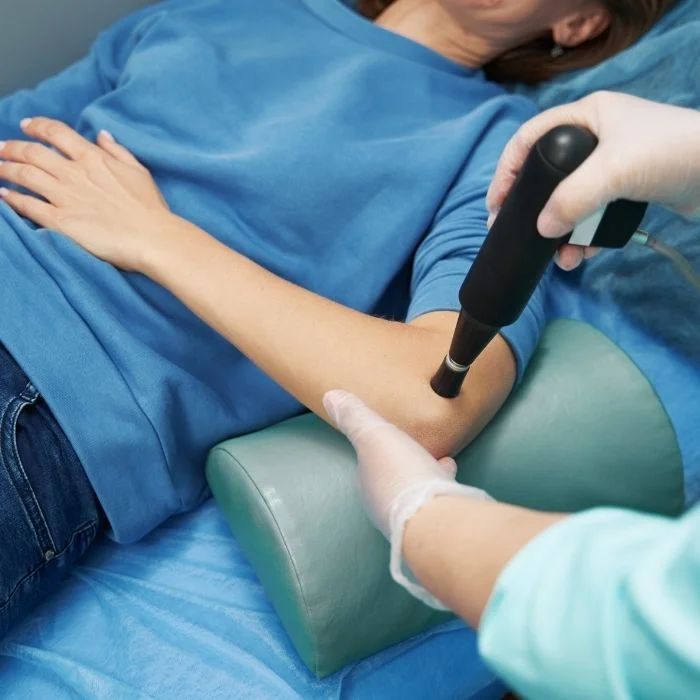
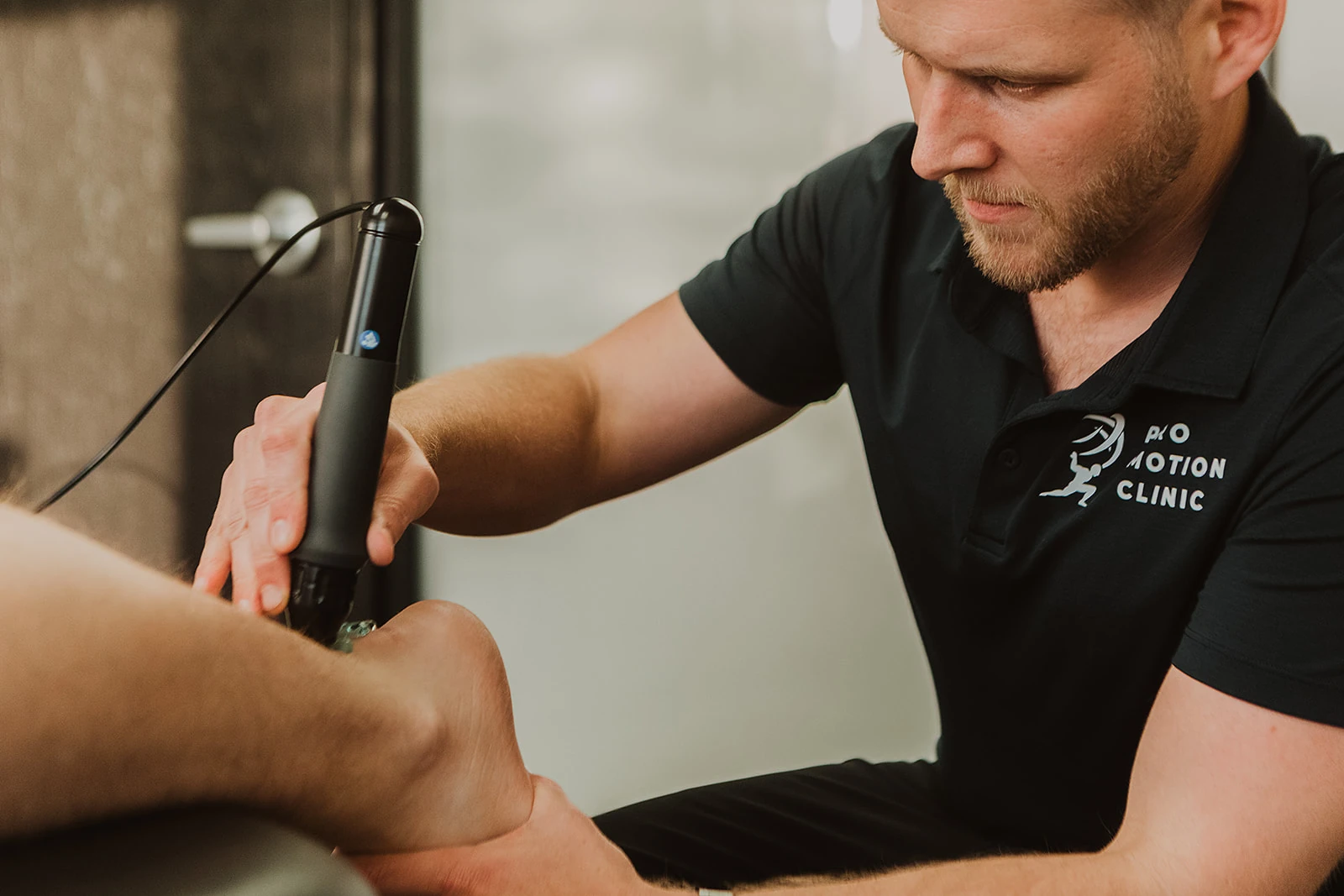
Athletic therapy is the assessment and rehabilitation of muscle, bone, and joint injuries. Certified athletic therapists are trained in the same return-to-activity model used with athletes: settle the injury down, rebuild it in stages, and progress you all the way back to the field, the gym, or the job site.
The word "athletic" throws some people off. You do not have to be an athlete. At Pro Motion Calgary, athletic therapy is part of our kinesiology and active rehab services in South Calgary, and it fits anyone with a nagging injury who wants a clear path back to normal.
Where athletic therapy stands out is the emphasis on function. The goal is not just to make the pain quiet down, but to get you doing the thing again, whether that is a 10k, a shift on your feet, or picking up a toddler without bracing for it.
Athletic therapists specialize in musculoskeletal injuries, the muscle, bone, and joint kind. People book athletic therapy at our Calgary clinic for:
If you are not sure whether your injury fits, that is fine. A short assessment usually sorts out what is going on and whether athletic therapy is the right starting point or whether another one of our services would serve you better.
Athletic therapy covers a wide range of musculoskeletal problems. A few we see often at our South Calgary clinic:
Whatever the injury, the process is the same at its core: figure out what is going on, calm it down, rebuild it, and get you back to full activity with a plan to keep it from returning.
Athletic therapists are also trained in acute injury management, the care that happens right when something goes wrong. If you have just rolled an ankle or tweaked something mid-game, an early assessment helps you work out whether it needs imaging, how to look after it in the first few days, and when it is safe to start moving again. Getting that guidance early often shortens the whole recovery and saves you from the two most common mistakes: resting too much or pushing back too soon.
Athletic therapy borrows its playbook from sports medicine, where the whole job is getting an injured athlete back to competing. That same staged approach works just as well for a warehouse worker or a weekend hiker. It means your rehab does not stop at "the pain is gone." It keeps going until your body can handle the actual load you are going to put on it.
In practice, that looks like progress you can feel. Early sessions might be about calming an angry joint and moving without a limp. A few weeks later you are loading it up on purpose. By the end, you are rehearsing the specific movements your sport or job demands, so the first time you do them for real is not a leap of faith.

Your athletic therapist starts with a full assessment: how the injury happened, how it moves now, and what you need to get back to. You get a plan that mixes hands-on treatment with exercise, and it progresses in stages.
You also get a home program and clear milestones, so you always know what the next step is. If progress stalls, your therapist adjusts the plan rather than having you grind away at something that is not working.
Both help you recover, and there is real overlap. Athletic therapy leans hard on the return-to-activity model and movement-specific rehab, which suits active people and physical jobs. Physiotherapy is a regulated profession with a wide scope across many conditions. You do not have to figure out which one you need on your own. Tell us your goal and we will point you to the right starting place, and your practitioners can coordinate if you need more than one.
Plenty of people end up using both. A physiotherapist might lead the early hands-on work while an athletic therapist builds the return-to-sport plan, or the other way around. Because everyone is in the same building and shares notes, that handoff is smooth instead of scattered.
Athletic therapy sits right alongside our kinesiology services. The two share a lot of DNA: both are movement-first, both are built around your specific goals, and both use exercise as the main tool. If your case calls for a longer strength-building phase, your care can flow naturally from athletic therapy into a kinesiology program without starting over or losing momentum.
Haley Pupp brings together kinesiology and athletic therapy training. She earned a Bachelor of Science in Kinesiology from the University of Lethbridge and completed her Athletic Therapy education at Mount Royal University, and she has coached at F45 Shawnessy since 2023. That mix of rehab and coaching means she is comfortable on both sides of the process: calming an injury down, and then building you back up to the activity you care about. Her care is personalized and evidence-based, focused on movement, recovery, and confidence.
We are a multidisciplinary clinic in the Southcentre Executive Tower at 403 – 11012 Macleod Trail SE, near Southcentre Mall and easy to reach from Macleod Trail and Anderson Road. Patients come to us from across South Calgary, including Willow Park, Southwood, Canyon Meadows, Lake Bonavista, Acadia, Haysboro, Riverbend, Quarry Park, Queensland, and Millrise. Parking is available in the building, which keeps regular rehab visits simple.
Your athletic therapist works alongside our physiotherapists, chiropractors, massage therapists, and injection therapy team, so your care stays connected from your first visit to your last.
Book online or call (403) 452-5450 to get started.
No. Athletic therapists treat anyone with a muscle, bone, or joint injury. The "athletic" part refers to the active, return-to-function approach, not who you are.
You can book athletic therapy directly. For WCB or motor vehicle accident claims, bring your paperwork so we can coordinate the care.
Many extended health plans cover athletic therapy, and it is often included under WCB and motor vehicle accident claims. Coverage varies, so check your plan. Our front desk can help and offers direct billing where it applies.
Training builds fitness in a healthy body. Athletic therapy assesses and rehabilitates an injury, then returns you to activity safely. If you need both, they can line up.
Sooner is usually better, once any serious injury has been ruled out. Early guidance can keep a minor issue from turning into a longer problem, and it helps you avoid the guesswork of resting too much or pushing too hard.
It depends on the injury, how long it has been going on, and what you are returning to. Your therapist will give you a realistic timeline after the assessment and update it as you progress.
We are at 403 – 11012 Macleod Trail SE in the Southcentre Executive Tower, South Calgary.
Book online in under two minutes, or call our clinic and talk to a real person about where to start.