
Vestibular physiotherapy in South Calgary for vertigo, dizziness and imbalance. BPPV repositioning, video Frenzel goggle assessment and balance rehab. Book online.
Stride Vestibular Physiotherapy @ Pro Motion Calgary. Alexis Stanhope has brought her vestibular practice to Pro Motion, so the same assessment and treatment now run out of our South Calgary clinic.
A note for Stride patients. As of August 29, 2026, bookings, records and billing have moved to Pro Motion Calgary. If you were seeing Alexis at Stride, you can book your next visit through Pro Motion using the button on this page, and your care carries on as before.
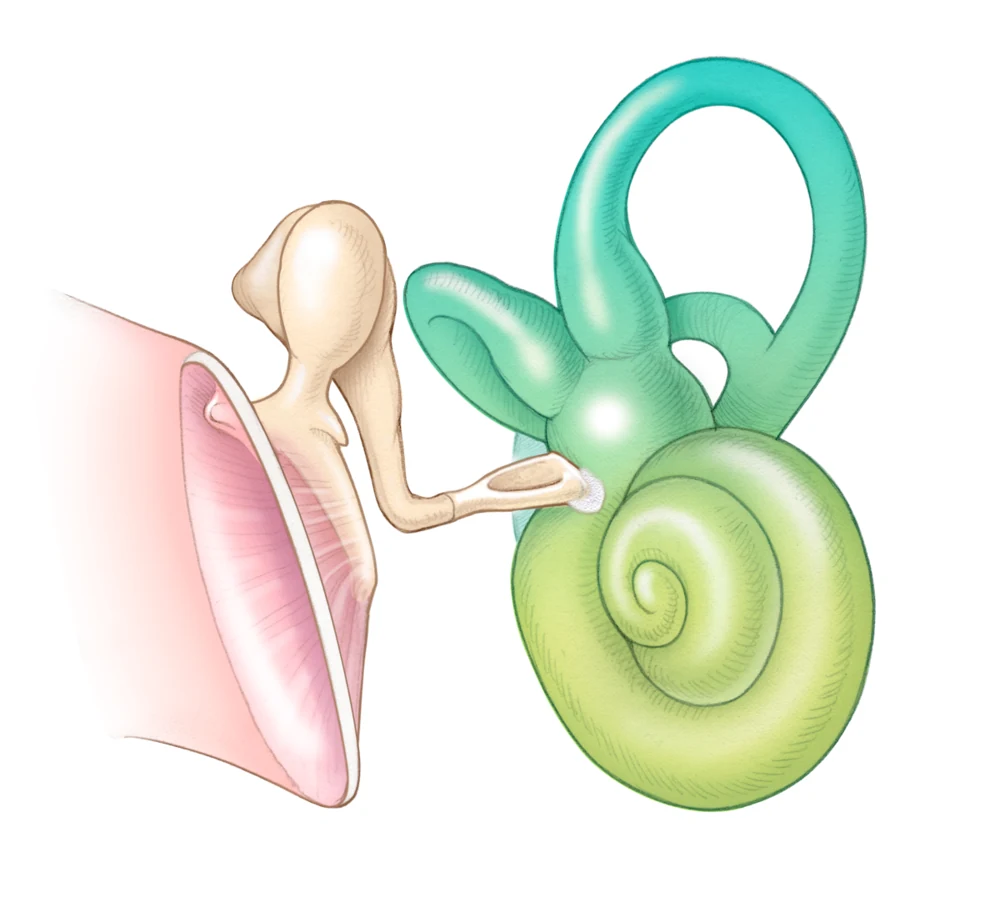
Vestibular therapy is a specialized form of physiotherapy that treats the body's balance system. It considers the inner ear, eyes, and neck as an interconnected system and uses targeted exercises to retrain how they work together.
The vestibular system helps your brain sense head movement, keep your vision stable, and maintain your balance. When it is not functioning properly, you may experience dizziness, vertigo, unsteadiness, visual disturbances, nausea, headaches, fatigue, or difficulty concentrating.
Vestibular symptoms can arise from a variety of causes, including inner ear conditions, infections, head injuries, neurological conditions, and certain medications. A thorough assessment helps identify the underlying cause and guide the most appropriate treatment.
Vestibular therapy at our Calgary clinic covers:
If none of these quite matches what you are feeling, book the assessment anyway. Working out which one it is, or whether it is vestibular at all, is what the first visit is for.
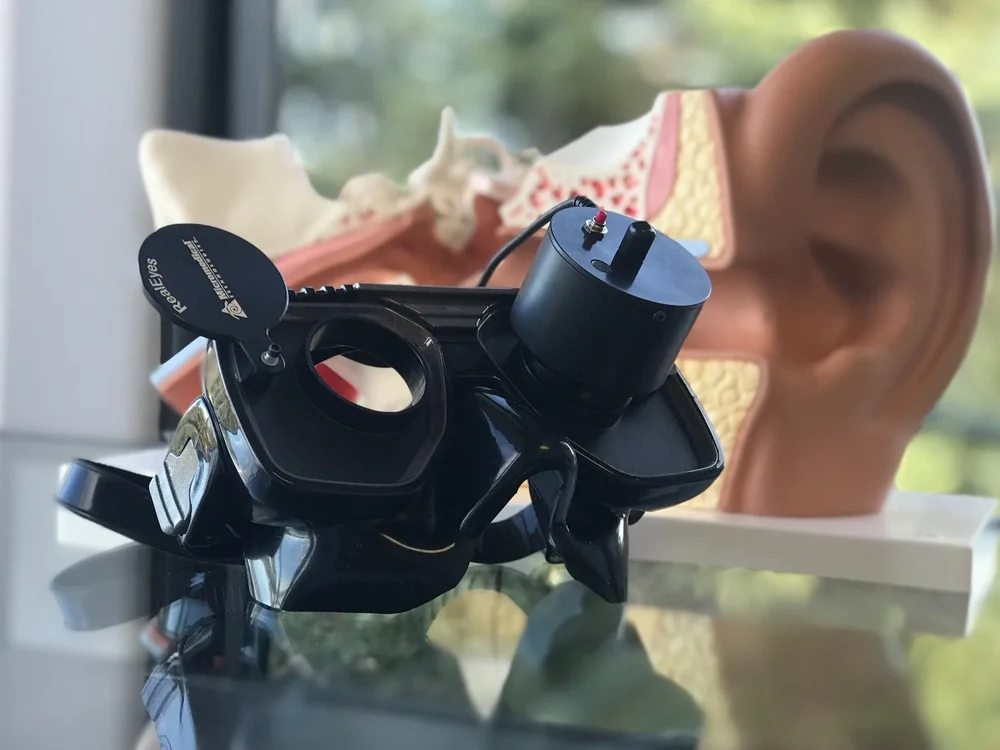
We use video Frenzel goggles during our vestibular assessments to closely observe eye movements. Because your eyes and inner ear work closely together to control balance and stabilize your vision, these movements can provide valuable insight into how your vestibular system is functioning.
The goggles restrict your ability to focus on a visual target, making involuntary eye movements called nystagmus easier to see. They can be particularly helpful when assessing positional vertigo, including benign paroxysmal positional vertigo (BPPV).
The pattern of nystagmus can also help us determine whether symptoms are more likely related to the inner ear or may warrant further investigation.

The initial evaluation takes up to one hour and includes a detailed discussion of your symptoms, how they affect your daily activities, and your relevant history. This is followed by physical testing that may include assessment of eye movements and visual stability, testing using Frenzel goggles, balance and gait assessment, and an examination of the neck when appropriate.
By the end of your initial visit, you'll have a better understanding of your symptoms and a treatment plan tailored to your needs. BPPV may resolve within one to a few visits, while other conditions may require a longer course of treatment. Follow-up appointments are approximately 30 minutes.
Please wear comfortable clothing and supportive shoes that allow you to move easily. Avoid high heels, as they are not suitable for balance assessment or treatment.
Treatment is matched to what the assessment finds, and usually draws on more than one of the following:
Dizziness, visual strain and balance problems are among the most persistent symptoms after a concussion, and they are the ones that keep people off work, out of sport and away from screens the longest. Vestibular therapy works alongside our concussion management program, so the vestibular side of a concussion is handled by someone who does this work every day while the rest of your recovery stays coordinated in the same building.
Alexis Stanhope is a registered physiotherapist who has spent several years running Stride Vestibular Physiotherapy, her own vestibular-focused practice, before joining Pro Motion. She completed her Master of Physical Therapy at McGill University and has pursued advanced post-graduate training in vestibular rehabilitation, including the Vestibular Rehabilitation Competency-Based course at Emory University in Atlanta. She has also lectured in vestibular physiotherapy at the University of Calgary within the Section of Otolaryngology, Head and Neck Surgery.
Patient education is central to how she works. Understanding what is happening in your body is part of the recovery, so she takes the time to explain your symptoms and your options rather than leaving you to follow instructions you do not understand.
You do not need a doctor's referral to book vestibular therapy in Alberta, since physiotherapy is primary health care here. Physicians and other practitioners are welcome to refer directly, and our specialist referrals page has the details. Referrals can also be faxed to (403) 536-4060.
We are a multidisciplinary clinic in the Southcentre Executive Tower at 403 – 11012 Macleod Trail SE, near Southcentre Mall and easy to reach from Macleod Trail and Anderson Road. Patients come to us from across South Calgary, including Willow Park, Southwood, Canyon Meadows, Lake Bonavista, Acadia, Haysboro, Riverbend, Quarry Park, Queensland and Millrise. Parking is available in the building, which helps when you would rather not be navigating a transit trip while your balance is off.
Vestibular therapy here sits inside a full multidisciplinary clinic, so if your dizziness turns out to have a neck component or overlaps with a concussion, the people who treat that are down the hall.
Book online or call (403) 452-5450 to get started.
No. Physiotherapy is primary health care in Alberta, so a doctor's referral is not required to book. Some insurance plans ask for one before they will reimburse, so it is worth checking your own policy.
Expect to stay up to one hour for your initial assessment. Follow-up treatment sessions are typically 30 minutes.
It depends on the condition. BPPV often resolves in one to a few visits once the right canal is identified and treated. Conditions that need vestibular rehabilitation take a longer course of exercise. You will get a specific plan after your assessment.
Comfortable clothing and shoes you can move in. Please, no high heels, as they are not appropriate for balance assessment or treatment.
Vestibular physiotherapy is not covered by Alberta Health Services, but most private extended health plans cover physiotherapy in full or in part. We offer direct billing to most plans. Coverage varies, so check your plan and our front desk can help.
Yes. We treat patients under motor vehicle accident claims, and our motor vehicle accident page explains how that works. Bring your claim details to your first visit.
Positional testing and treatment can stir up symptoms temporarily, and that settles for most people within a short time. If your dizziness is severe or easily triggered, arranging a ride for your first visit is sensible.
No. Bookings, records and billing moved to Pro Motion Calgary on August 29, 2026. Book your next visit through Pro Motion and your care continues with Alexis as before.
We are at 403 – 11012 Macleod Trail SE in the Southcentre Executive Tower, South Calgary.
Book online in under two minutes, or call our clinic and talk to a real person about where to start.